Why Exporters Need Real Customs Document Translation.
24 August, 2026· Article by Taylor Anderson
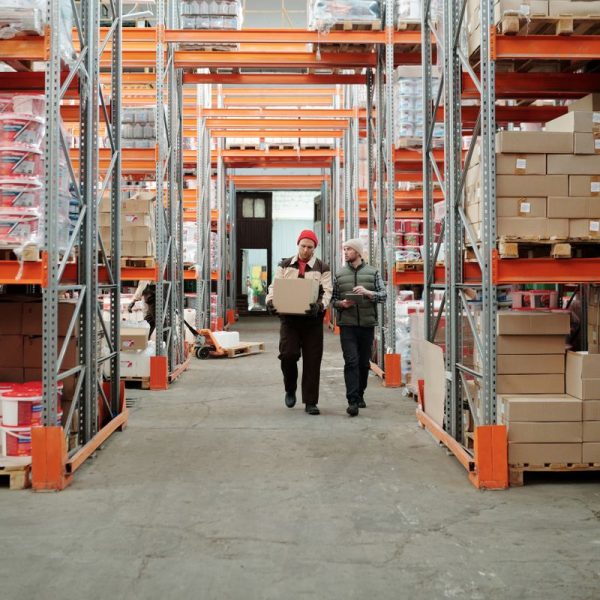
A small manufacturer shipping its first pallet of parts to a buyer overseas learned the hard way that a single mistranslated line on a customs form can freeze a shipment at the border for weeks while paperwork gets sorted out by hand.
Why Export Paperwork Punishes Small Teams The Hardest
Large exporters keep in house compliance staff who catch a mistranslated commodity code before it ever reaches a customs officer. Small businesses rarely have that luxury and often discover a paperwork problem only after a shipment has already stalled.
The second pair of eyes is what a small team is really missing, rather than the knowledge itself. Buying it back is possible, because a provider certified to ISO 17100, as PoliLingua is, has to put every translation through a second qualified linguist before delivery. That check is where a commodity code gets questioned instead of copied. An exporter with no compliance staff then gets the review as part of the deliverable rather than hiring for it.
A single delayed pallet can cost a growing exporter far more than the shipment itself once a buyer starts questioning whether the relationship is worth the friction of every new order.
Working With Real Official Document Translation Support
Small exporters preparing customs paperwork increasingly rely on genuine official document translation handled by linguists who understand tariff terminology rather than a generalist unfamiliar with the phrasing a customs officer actually expects to see.
A structured provider also keeps a terminology record across every shipment so the same product description stays consistent instead of drifting slightly with each new invoice a busy team rushes out the door.
Getting Precise Russian Legal Translation Support
Firms shipping goods into Russian speaking markets increasingly need dedicated russian legal translation handled by linguists who understand regional customs conventions rather than a generic vendor unfamiliar with local filing formats.
A provider without this specific regional understanding may produce a document that reads correctly yet still misses the phrasing a customs desk in that market genuinely expects from an accepted filing.
What Separates A Reliable Filing Process From A Risky One
A reliable filing process runs every export document through a linguist familiar with customs terminology rather than treating each translated form as a simple word for word swap between two languages.
A risky process treats translation as an afterthought handled by whoever has a spare hour that week. This approach may work for an internal draft but consistently fails once a real customs officer examines the paperwork closely.
Building A Vetting Process Before The First Shipment
Small exporters evaluating a new translation partner should request a sample customs form reviewed against actual filing expectations rather than accepting a polished pitch that reveals little about accuracy under pressure.
Asking how a provider tracks evolving customs terminology reveals whether they maintain current trade knowledge or simply reuse the same generic template regardless of the destination market involved according to the basic structure of a customs declaration that every export filing is expected to follow.
The Hidden Cost Of A Mistranslated Export Form
A mistranslated export form rarely causes damage that stays contained to one shipment. The real cost surfaces later when a customs authority starts flagging every future filing from that same exporter for extra manual review.
Correcting this kind of reputation after the fact costs far more than establishing a reliable translation process before the first pallet ever reaches a border checkpoint.
Questions Worth Asking Before A First Shipment
A handful of direct questions reveal more than a polished sales pitch. Has the provider handled export documents for this exact destination before. Can a sample filing be reviewed before the shipment actually departs.
Customs paperwork rewards absolute consistency: the same product described the same way on every form, in every language. Companies that already maintain proper brand guidelines find this easier, because they have a single approved name and description to work from. Documentation discipline and brand discipline turn out to be the same habit.
Customs documentation is the unglamorous end of exporting, but it sits alongside a commercial function that is anything but. Buyers in new markets find suppliers through search and social before any documentation exists. Exporters who invest in social media marketing generate the enquiries that make the paperwork worth doing.
Providers who answer these questions with concrete detail almost always maintain a documented quality review process rather than promising accuracy without explaining exactly how that accuracy gets verified in practice.
Preparing Documents Before Goods Ever Leave The Warehouse
Exporters that gather every customs document days ahead of a shipment date give their language partner enough time to verify terminology instead of rushing under unnecessary last minute pressure right before departure.
A short planning call at the start of a new trade lane often uncovers additional filing requirements that would otherwise surface too late for proper handling once goods are already loaded onto a truck as small and medium exporters continue to represent a growing share of global trade according to recent small and medium enterprise data worldwide.
Reviewing Filing Habits On A Regular Schedule
Exporters that revisit their translation workflow only after a problem surfaces tend to repeat the same mistakes every few months. A regular review catches drift before it turns into a rejected shipment at the border.
A short quarterly check of terminology consistency across recent filings often reveals small inconsistencies that a busy team would otherwise miss until a customs officer flags them during an unrelated inspection.
Training Internal Teams To Spot Translation Risks
Small teams who understand basic signs of a risky translation catch problems long before a form reaches a customs desk. A mismatched commodity code should never survive an internal review unnoticed.
Exporters that run a short internal session reviewing translated customs language often notice fewer flagged shipments and far smoother clearance across every new market they enter over time as their trade lanes continue to expand.
Recent Posts

The Small Business Guide To Su...
Why Shipments Need Real Paperw...
Perche Gli Esportatori Necessi...

Por Que Los Exportadores Neces...

Business Consulting als Schlü...

Le conseil stratégique au ser...
Share it.

Links
We use cookies
We use cookies to give you the best online experience, remember your preferences, and understand how the site is used. You can accept all cookies, reject optional ones, or choose which categories to allow.
Privacy PolicyCookie preferences
Choose which cookies we can use. Necessary cookies stay on because the site cannot work without them.
For more details, read our Privacy Policy.